Running smart, finishing strong: my 2:55 Baltimore Marathon
At 41, Kevin Pulley Jr. balanced family life, work and training to set a new marathon PB. He explains how consistent mileage, disciplined pacing and patience helped him conquer Baltimore's hills and finish strong.
My story
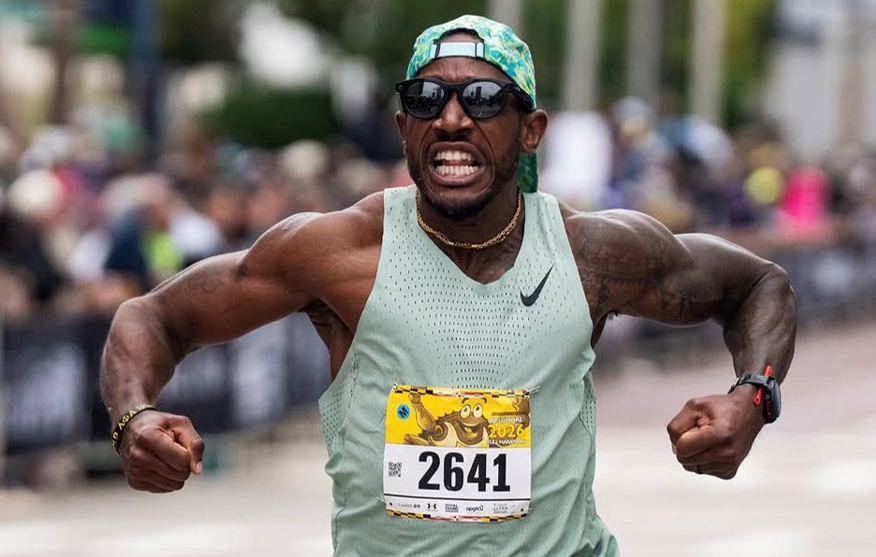
On 17 October 2026, I crossed the finish line of the Baltimore Marathon in 2:55:31, averaging 6:42 per mile and setting a new personal best. What made this performance particularly satisfying wasn’t just the time, but how I executed the race.
At 41 years old, I’m a husband, father of five and mechanical engineer. Running is a major part of my life, but it has to coexist with everything else. Between work, family responsibilities and strength training, I’ve learned that becoming a better marathoner isn’t always about doing more. Sometimes it’s about being more intentional with what you’re already doing.
Coming into Baltimore, my goal was to run somewhere between 2:50 and 2:55. I knew the course would be challenging, but I also knew that if I managed my effort correctly, I had an opportunity to run a personal best.
Training for the distance
Over the years, I’ve gradually increased my running volume, moving from roughly 40 miles per week to periods of 70 miles or more. One of the biggest lessons I’ve learned is that not every run needs to be fast.
I enjoy running hard. I like threshold workouts, faster efforts and the feeling of pushing myself. But I’ve also come to appreciate the value of easy running. A significant portion of my mileage is spent at a comfortable, conversational effort, often in Zone 2. That easier running allows me to accumulate mileage without turning every training session into a recovery problem.
I also believe there’s value in being a well-rounded athlete. My background includes boxing, Muay Thai, Brazilian jiu-jitsu and strength training. Running is my primary competitive focus now, but I still enjoy developing strength and overall fitness.
For runners chasing sub-3, my advice is to build consistency before worrying about individual workouts. One impressive training session won’t carry you through 26.2 miles. Months of consistent work will.
Respecting the Baltimore course
Baltimore isn’t a marathon where you can blindly lock into goal pace and expect everything to work out. With more than 1,200 feet of elevation gain, the course demands patience and an understanding of effort. My strategy was simple: start controlled, settle into a sustainable rhythm and avoid wasting energy fighting the hills.
During the first mile, I deliberately held back. I wanted my heart rate in the 150s, and I focused on staying relaxed rather than getting caught up in the excitement of race morning. After that, I worked towards my target pace over the next 10 miles. But I wasn’t going to force a particular split every time the course turned uphill.
When the hills demanded more effort, I adjusted my pace. That distinction matters. There’s a difference between slowing down because you’re struggling and slowing down because you’re making a deliberate decision to preserve energy.
I wasn’t trying to win every mile. I was trying to run the best possible marathon.
The final 10K
The final 10K of a marathon is where preparation and decision-making really begin to show. By that point, the accumulated miles and elevation were certainly noticeable. My approach was to run the best I could with what I had left.
I wasn’t chasing an unrealistic split or trying to make up every second lost on the climbs. I focused on maintaining my effort and continuing to move efficiently. What I’m particularly proud of is how I finished.
Over the final 5K, I was able to get back to race pace and finish strong. Instead of spending the final miles simply trying to survive, I was still able to compete. I believe that was a direct result of the patience I showed earlier in the race.
What sub-3 has taught me
Breaking three hours is an achievement, but the time itself is only part of the story. The real challenge is learning how to consistently prepare your body, manage your effort and execute when things don’t go exactly as planned.
If I could offer three pieces of advice to someone chasing their first sub-3 marathon, they would be simple:
First, build your aerobic foundation. Don’t underestimate comfortable miles. You need the endurance to maintain your pace long after the excitement of race morning disappears.
Second, race the course you’re actually running. Goal pace is a useful reference, but hills, weather and terrain matter. Sometimes the smartest decision is to slow down.
Third, be patient. A marathon doesn’t reward you for how fast you run the first 10K. It rewards you for how well you manage all 26.2 miles.
Baltimore reinforced something I continue to learn as a runner: the goal isn’t to prove your fitness in the opening miles. It’s to use that fitness wisely enough to finish strong.
At 41, I’m still learning, still improving and still chasing faster times. And that’s what keeps me coming back.
Finding this useful? Help keep Sub-3 running — support us with a coffee.