Strides in sub-3 marathon training: why they matter
Short, relaxed bursts of speed can sharpen form, boost efficiency, and build confidence. Here’s why strides are vital in sub-3 marathon training.

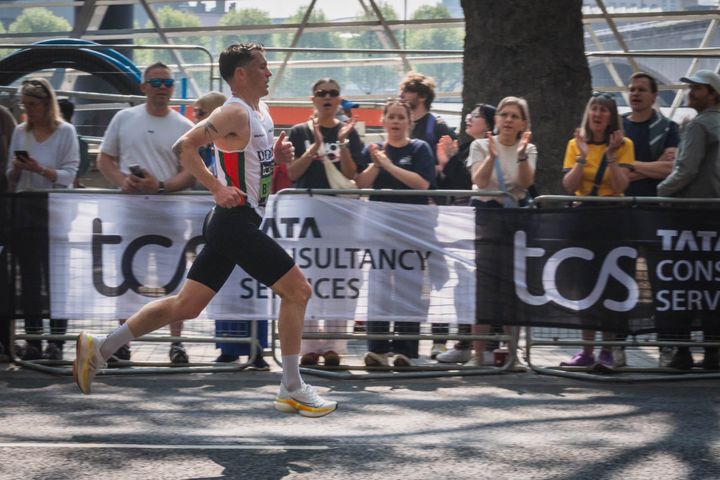
Strides are one of the simplest yet most effective tools a sub-3 runner can add to training. They’re short bursts of faster running – usually 100–150m, lasting only 20–30 seconds – slipped into an easy run. You accelerate smoothly, float briefly at a fast but controlled pace, then relax back to easy. They’re over almost as soon as they begin, but they can transform the feel of a session. After a stride your heart rate rises, then quickly settles, and the following miles often feel smoother and lighter.
Think of them as “free” speedwork. Strides expose you to faster running without the fatigue of a full workout. They stretch your legs, open your lungs, and provide the glow of having touched a higher gear, all while leaving recovery demands minimal.
Physiologically, strides do a lot of quiet work. They recruit fast-twitch muscle fibres, helping you maintain coordination and leg turnover that steady marathon training can neglect. They sharpen mechanics – higher knee lift, quicker cadence, firmer push-off – which in turn improves running economy. The brief cardiovascular surge boosts stroke volume and oxygen delivery, while the rapid return to baseline trains the body to recover from pace changes. Even lactate handling gets a nudge, as you practise producing and clearing it in small doses.
There’s also a psychological edge. In the middle of a heavy block dominated by controlled running, strides remind you that you can still run fast. They break monotony, inject variety, and restore confidence. They’re also a safe way to test whether a calf or hamstring niggle is ready for more work – issues that often only show themselves when you ask for quicker turnover.
Strides are flexible too. They can be added at the end of an easy run, sprinkled mid-run in fartlek style, or used before a workout or race to “switch the engine on” so the first hard mile isn’t a shock. You don’t need a track – a flat stretch of road or firm path will do.
The key is to keep them relaxed. Strides should be fast but never all-out. Sprinting risks tightening up or straining muscles. And some days, especially after a marathon or very long run, recovery should take priority over any faster running. For runners new to strides, it makes sense to start gently – a few shorter strides once or twice a week – and build gradually.
Used wisely, strides are one of the best-kept secrets in marathon training. They bridge the gap between easy miles and structured speedwork, letting you sharpen up while protecting recovery. For sub-3 runners chasing every edge, they offer a simple way to stay fast, efficient, and confident throughout the block.
Finding this useful? Help keep Sub-3 running — support us with a coffee.