Should I do yoga in pursuit of a sub-3 marathon?
Yoga isn’t just for recovery - it can improve posture, stride, breathing and mindset. Here’s how to make it work for your sub-3 goals without going full spiritual guru.
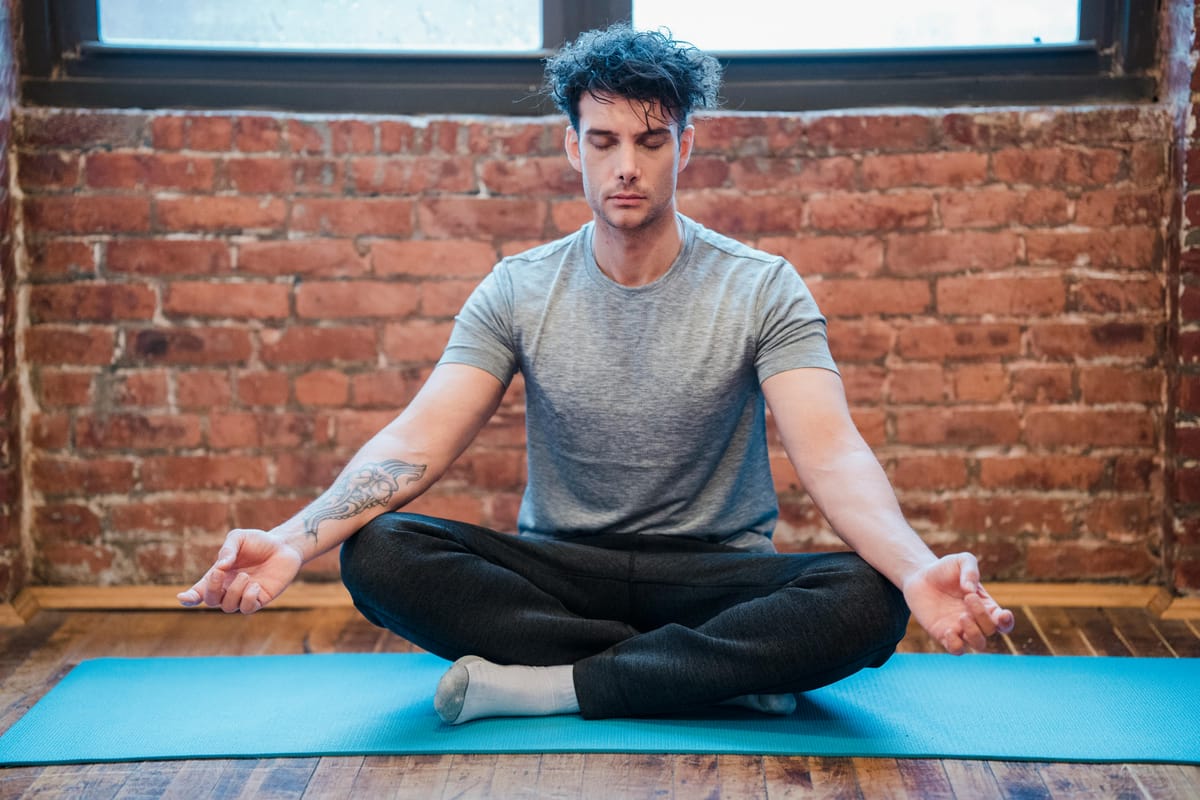
I ran my first sub-3 almost directly after completing a block of ten yoga classes. Lots of factors got me there - not least high mileage and weight loss - but yoga became a small yet lasting part of the equation. I’ve stuck with it for years, doing 20 minutes daily, and I consider it one of the best time investments I make for running.
No, you don’t need yoga to run a sub-3. And no, you don’t need to chant or submit to Tibetan Singing Bowls (I endured five minutes of those at the end of a class and never returned). But certain stretches and poses, done thoughtfully and consistently, can quietly deliver real results. As a 41-year-old man, I was dubious and a little embarassed at first - my wife encouraged me to do it because I had very tight hamstrings. But it's now unashamedly part of my routine.
Here are five ways yoga can support your sub-3 ambitions.
1. It helps undo what modern life does to your posture
Most of us spend hours a day hunched over desks, phones and laptops. That posture tightens the hip flexors, weakens the glutes and restricts the thoracic spine - all of which affects running form. Yoga helps open up the hips, elongate the spine and counteract the habitual forward-lean that modern life encourages. Just 15 to 20 minutes a day can gently restore balance.
2. It can increase stride length - sustainably
I had a high cadence and relatively short stride for my height. Over time, daily yoga targeting my hips and hamstrings made a measurable difference. After 18 months, my stride length increased by 8cm per step. That doesn’t sound like much, but over the course of a marathon it meant 2,500 fewer steps - a significant energy saving that helped deliver a personal best. Personalisation matters here: pick 6 to 8 poses that target your weak spots and build them into a simple daily routine.
If you’re not sure where to start, consider speaking to a yoga instructor with experience working with runners, or a physiotherapist who understands your specific weaknesses or restrictions. There are also excellent online options - I recommend YogaBody’s hip-opening course, which allows you to follow short, focused sessions in your own time. Each one lasts just 10 to 15 minutes and you can return to them again and again.
3. It aids recovery and supports circulation
Gentle movement after hard efforts is known to promote blood flow and speed recovery. Yoga is a low-impact way to keep moving, loosen tight areas and help muscles flush out waste products. In the days after a marathon - before you feel like running again - yoga can help you feel human without pushing your system too far, too soon.
4. It builds body awareness and breathing control
Yoga encourages you to tune into how your body moves, where it’s restricted and what needs attention. This kind of proprioceptive awareness is invaluable for runners - especially during long races when fatigue sets in. Yoga also develops diaphragmatic breathing, which can help regulate your system under stress and support more efficient oxygen use during training and racing.
5. It calms the mind - and detaches you from noise
There’s something quietly powerful about stepping away from screens, data and goals. A short yoga session before bed can help you shift out of work mode or race-mode and into a calmer mental state. It can be especially helpful after tough runs, missed targets or just busy days. You don’t have to go on retreat. You don’t even need a mat. Just find a quiet spot - your bed will do - and breathe, stretch and settle. Fifteen minutes is enough.
You don’t need to attend a formal class (although runner-focused sessions can be worth trying), and you certainly don’t need to light candles or hum. I often do mine while listening to a podcast or half-watching TV. The main thing is consistency. Yoga won’t make you faster overnight - but done regularly, it can quietly unlock things that make you smoother, more efficient and more resilient over the long haul.
Finding this useful? Help keep Sub-3 running — support us with a coffee.