Navigating congestion during marathons when chasing sub-3
Congestion in major marathons can feel like an obstacle course, but patience, calm tactics, and negative split pacing turn it from a threat into an advantage for sub-3 runners.
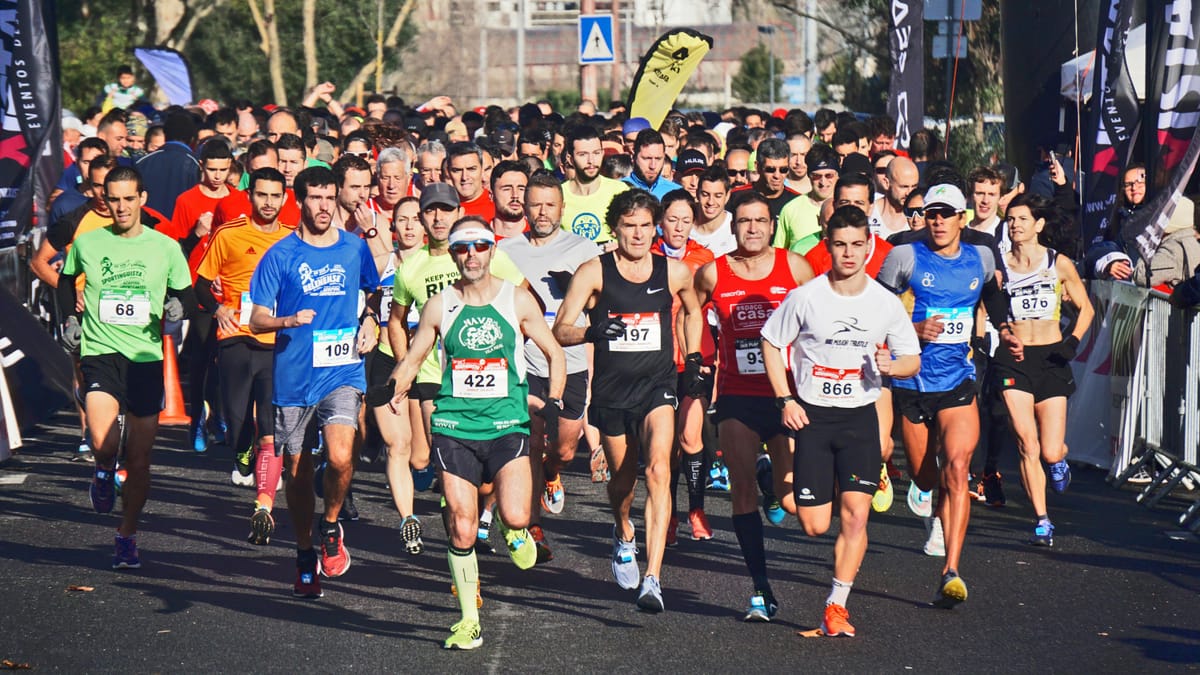
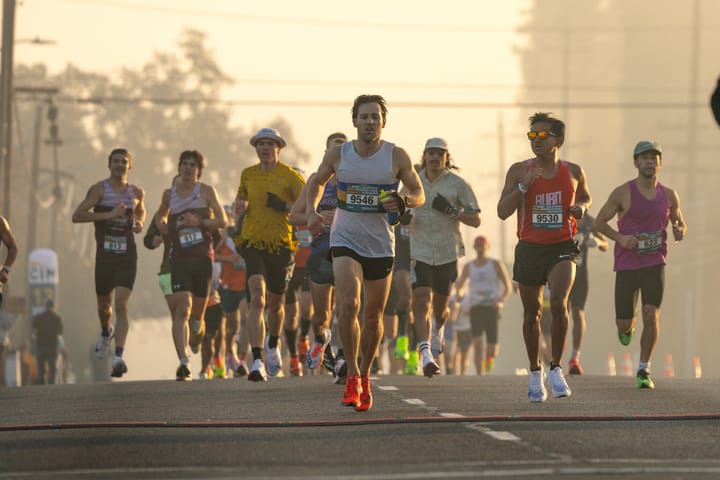
Big city marathons are incredible spectacles. The atmosphere, the crowd support, the sheer scale of participation – it’s like nothing else in running. But if you’re chasing sub-3, that same spectacle can become your biggest obstacle. Congestion is a growing problem in major races, especially during the opening kilometres. Instead of settling into your goal pace, you can feel like you’ve joined a motorway with no lanes – trapped, jostled, and at the mercy of the flow.
Every time you think the pack has thinned, another wave merges from a different start pen, creating fresh turbulence. You want to get moving, but each surge costs energy and adds distance. The temptation to weave, sprint or even hurdle barriers is strong – you’ll see plenty of runners trying it. But these tactics almost always backfire. You burn precious glycogen, stress your muscles unnecessarily, and risk clipping someone’s heels or tripping over discarded bottles.
The smarter approach is patience. Accept that the first few kilometres may be slower than goal pace. Going with the flow not only preserves energy but also builds insurance for the second half. A negative split strategy is your best ally here. By staying relaxed early on, you avoid the panic that can trigger The Wall later. In fact, congestion can act as a built-in brake, protecting you from starting too fast – one of the most common sub-3 mistakes.
That said, congestion isn’t just physical. It’s mentally draining too. You’re forced to run on high alert: dodging sudden changes in pace, avoiding flying elbows, side-stepping water bottles hurled across the road. This constant vigilance can leave you more fatigued than expected, even if your splits look fine. It feels less like a precision time trial and more like navigating an obstacle course.
The trick is to prepare psychologically as well as physically. Anticipate congestion and rehearse how you’ll react. If you go into a big race expecting clear roads, you’ll waste mental energy on frustration. If you expect crowding and treat it as part of the challenge, you’ll conserve calmness and focus. Visualise yourself holding form, keeping tall, scanning the road ahead, and staying efficient rather than tense.
You can also make small tactical choices to reduce the problem. Line up in the right start pen, seed yourself realistically, and move toward the edges of the road where gaps sometimes appear. At aid stations, don’t dart for the first table – drift further down where it’s quieter. None of these will solve congestion entirely, but together they can help you carve out some rhythm sooner.
Ultimately, big city marathons are a trade-off. You gain the thrill of running through historic streets, cheered on by roaring crowds, shoulder to shoulder with thousands chasing the same dream. But you lose the clean, unimpeded racing line that smaller marathons still offer. For many serious runners, this is pushing PB attempts to faster, quieter races. But if you want the magic of London, Berlin, or New York and a sub-3, you need to embrace congestion as part of the race. It won’t beat you if you’re ready for it.
Finding this useful? Help keep Sub-3 running — support us with a coffee.