What makes a marathon sub-3 friendly?
Not all marathons are equal for sub-3. Learn what makes a race truly sub-3 friendly, from course and surface to logistics, pacers and word-of-mouth insight.
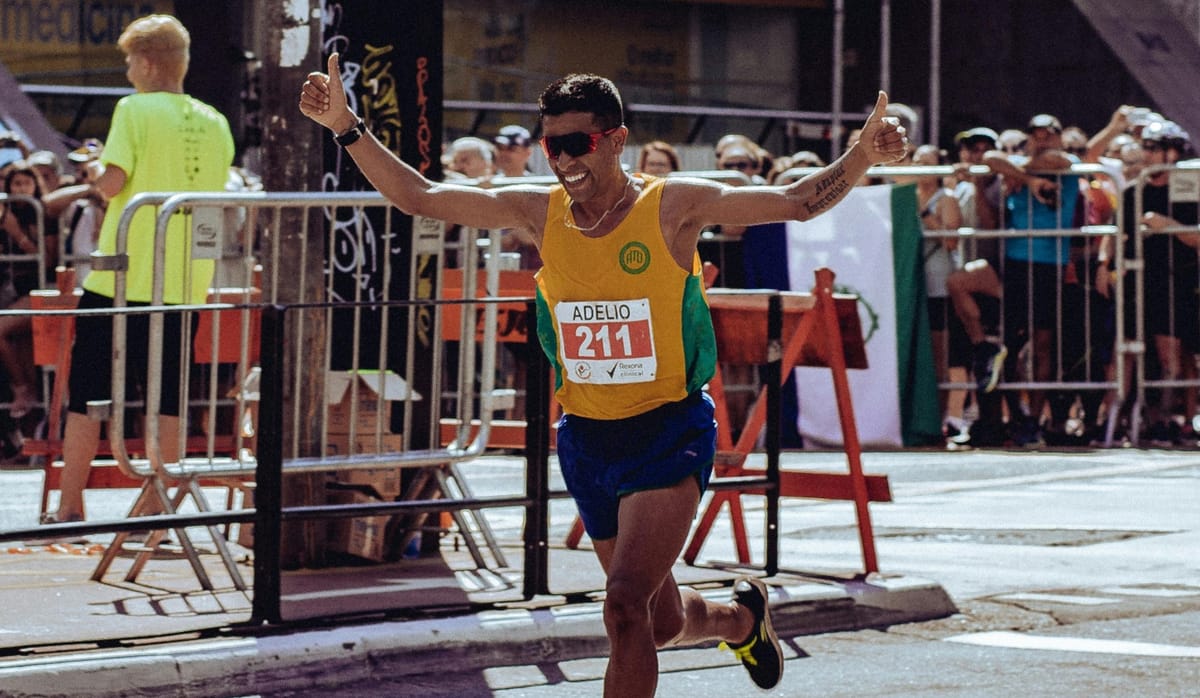
For runners chasing a sub-3 marathon, the race you choose can make the difference between breaking the barrier and watching the dream slip away. On paper, 42.2 kilometres is the same everywhere. In practice, everything around those kilometres shapes how achievable they really are. The layout of the course, the terrain underfoot, the depth of the field, the organisation, the climate and even the logistics of getting to the start line all play their part. A sub-3 friendly marathon does not make the goal easy, but it removes unnecessary obstacles so you can give yourself the very best chance.
Course profile and rhythm
The first thing most runners check is whether the course is flat, but flatness alone does not guarantee speed. A race can be pancake-flat yet packed with sharp turns, tight sections or long stretches of exposed road that sap energy. What helps most is a course that offers rhythm: steady straights, gentle gradients and an honest profile that does not demand constant braking or surging. Pay particular attention to the final 10K. Even a modest rise late on can feel like a mountain when you are clinging to 4:15 per kilometre. Out-and-back sections or long boulevards often work well because they allow pace to settle and splits to remain predictable.
Surface and camber
What lies under your feet matters more than most people admit. Smooth, modern tarmac provides efficiency and confidence. Cobblestones, concrete slabs, tram lines or uneven paving introduce constant micro-adjustments that fatigue calves, hips and ankles over time. Road camber can be just as insidious. I once ran a marathon where the course looked flawless on paper, but the unrelenting road crown gradually shredded my calves. It is the kind of lesson you only want to learn once, so check reviews and ask fellow runners about surface and camber before you commit.
Wind, weather and season
The marathon is long enough that the weather usually plays a role, but certain environments stack the odds in your favour. Cool to mild conditions, low humidity and an early start time are the most forgiving combination. Coastal routes or open riverfronts can be scenic, but they are also prone to gusts. Bridges and exposed boulevards feel heroic in the first half yet punishing in the last. Look at the typical weather band for the month rather than obsessing over specific historical temperatures. If you pick a race known for wind, think about pack tactics and be ready to tuck in behind others when conditions turn.
Running the actual distance
All official marathons are measured correctly, but that does not mean every runner covers only 42.2 kilometres. In big city races, early congestion and crowded aid stations almost guarantee extra weaving, and missed tangents accumulate quickly. I have logged 42.7 kilometres in London, compared with a precise 42.2 in smaller races like Yorkshire. That half-kilometre might not sound like much, but when your target is sub-3, the difference between 2:59 and 3:01 can come down to those extra metres. If you opt for a crowded race, practise running clean lines in training and accept that you may need a small pacing buffer.
Depth of field and pacing support
Running under three hours is always easier when you are not doing it alone. Deep fields at your pace allow you to tuck in, share the work and avoid mental drift. Larger marathons usually provide official 2:59 or 2:55 pacers, who can act as reliable anchors. Smaller events can be just as effective if they attract a consistent pocket of runners around your target. Look at past results to see how many finishers came in between 2:55 and 3:05. That cluster tells you more about race-day reality than any marketing slogan.
Aid stations and fuelling logistics
The design and reliability of aid stations has a direct impact on rhythm. Bottles are usually far easier to handle than open cups when you are moving at pace. Predictable spacing lets you plan fuelling calmly rather than scrambling. Chaotic stations, abrupt zig-zags or volunteers who place tables inconsistently can cost precious seconds and spike your effort levels. Always check what the organisers provide, whether personal bottles are permitted, and how far apart the stations will be. If their products do not match your fuelling strategy, practise carrying your own supplies in training so nothing feels unfamiliar on race day.
Start pens and early congestion
The way the race begins is just as important as how it ends. Clear seeding, sensible waves and wide opening roads make the first five kilometres calm and efficient. Merges from multiple starts or narrow early sections create bottlenecks that raise heart rate and waste energy. Watch videos of the start if you can, or at least read the event guide carefully. The most successful sub-3 openers feel almost boring, which is exactly what you want. You are banking calmness for the miles that matter.
Markers, GPS and pacing rhythm
City-centre races with tall buildings or underpasses often play havoc with GPS. Watches jump around, paces spike or stall, and doubt creeps in. If you know this is likely, plan to use kilometre markers and manual checks every five kilometres rather than staring at instant pace. Keep your eyes and ears on effort, cadence and breathing. I have had entire sections of marathons where my watch was useless, but reliable splits kept me composed. A race that supports mental rhythm, through either clear signage or natural landmarks, is always friendlier to the sub-3 attempt.
Accreditation and eligibility
It sounds obvious, but always confirm that the marathon is fully accredited. There are races measured accurately for local recognition that may not appear on Power of 10, RunBritain or Boston qualifiers lists. If your goal is sub-3 recognition, make sure the course is recognised by the governing body. Also check whether other distances share the route. Some combined events work well, but others send you head-to-head with half marathoners on fresh legs when you most need clear road.
Season and personal rhythm
The friendliest marathon is often the one that fits seamlessly into your life. Spring and autumn tend to offer cooler conditions and balanced training cycles, but what matters most is whether the race works with your personal calendar. Long-haul flights, late-night expos or family stress in the final week can eat into freshness. I have performed best when race week was almost boring: normal meals, proper sleep, short travel and no drama. Simplicity is underrated, but it is often what brings a performance together.
Logistics and bib collection
Do not underestimate how much clear logistics help. Smooth transport links, reliable bag drops, plentiful toilets, easy access to the start and a quick exit from the finish all save stress. Bib collection is another detail that matters more than people think. An expo miles out of town the day before can mean wasted hours on your feet, drained energy and unnecessary hassle. A friendly race is one where the essentials are straightforward, leaving your mind clear to focus on the run itself.
Word of mouth and lived experience
Data and official guides matter, but nothing beats the lived experience of fellow runners. Clubmates who have raced the course will know whether the road camber was tough, whether the aid stations were smooth, or whether the start was chaotic. They can tell you if the logistics worked and whether the advertised profile matched reality. Ask around. Word of mouth is one of the best forms of intelligence you can get, and it often reveals truths that no glossy brochure ever will.
Big city or small stage
Atmosphere is a personal variable. For some, the theatre of London or Berlin is exactly what gets them through the darkest moments. For others, the stripped-back focus of a smaller event is the path to clarity and control. I have felt both: the roar of the crowd carrying me at London, and the simplicity of Yorkshire helping me run the exact race I wanted. What matters is honesty about your psychology. Pick the environment that fuels you, then train with that scenario in mind.
The bottom line
A sub-3 friendly marathon does not make the barrier easy, but it removes the friction that might otherwise stand in your way. It gives you a clean platform to express your fitness, without needless detours or distractions. Look for an honest course, a reliable surface, a supportive field, calm logistics and conditions you can trust. Listen to data, listen to experience, and listen to yourself. Sub-3 is always hard, but the right marathon helps you run the distance your way.
Finding this useful? Help keep Sub-3 running — support us with a coffee.