In praise of Garmin’s smart scales
How one smart scale exposed the truth about my body fat – and helped transform my running career.
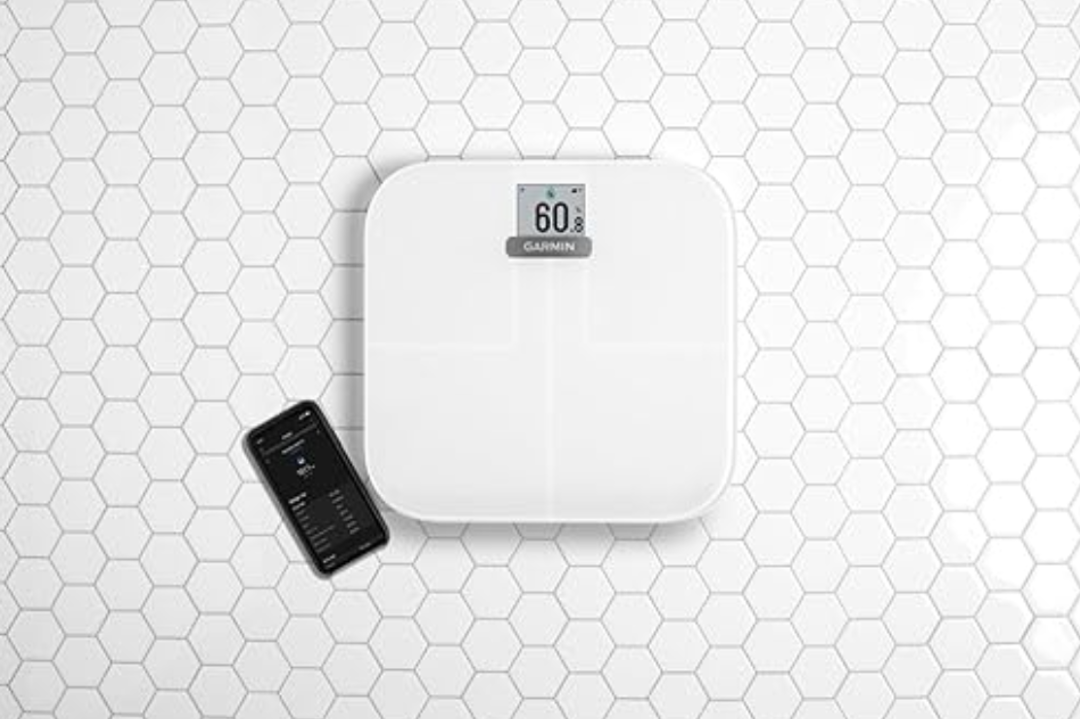
One of the biggest game-changers for me as a runner in recent years was buying Garmin’s Index S2 Smart Scale back in May 2024.
My mileage had dropped slightly during my London Marathon block, and I’d been travelling in the US for work - eating well, but not exactly training camp conditions. I was horrified to see my weight had crept up to around 92kg. But my old scales were still telling me I had about 12% body fat. I’d recently started taking creatine and doing a lot of interval training, so I’d convinced myself I was gaining muscle, not fat. Still, something didn’t feel right.
The Index S2 isn’t cheap - around £130 - but it syncs automatically with Garmin Connect (and via that, any other linked apps), so there’s no need to manually log your weight or body metrics. The first reading I got? 24% body fat. Surely that couldn’t be right?
The weight reading matched my old scales exactly, but the body composition data was wildly different. I was in limbo for about six weeks before finally booking a DEXA scan - a lab-grade body composition analysis. Within minutes, the scan confirmed the 24% reading. I was shocked.
But that shock became a turning point. On Strava, I’d often noticed I ranked highly on segments for my weight band - clearly I was carrying too much but still running fast. That meant potential. It took 18 months to lose 14kg. That’s hard to do while training, because you still need to fuel properly. But throughout the process, the Garmin scale became a daily tool.
Skeletal Muscle Mass was one of the key metrics I tracked, helping ensure that my weight loss was coming from fat, not muscle. The scale also shows body water percentage, which helped me interpret fluctuations - like when a salty meal or a carb-heavy day led to water retention. That alone helped separate real changes from temporary ones and prevented me from panicking or getting misled by overnight shifts.
Of all the investments I’ve made in improving my running - super shoes, a coach, supplements - this is right up there. It’s not infallible (body fat can jump a full percentage point overnight and then fall again), but the long-term trends are what matter.
Getting an accurate body fat reading changed everything. I went from being fast-for-my-weight to running for England Masters. The scale didn’t do the work for me - but it gave me the knowledge I needed to train smarter. And when it comes to body composition, knowledge really is power.
Why It Matters
- Skeletal Muscle Mass lets you monitor fat loss while ensuring you don't also lose muscle
- Body Water % helps explain short-term weight fluctuations
- Wi-Fi sync means you never forget to log a weigh-in
- Tracking trends over days and weeks keeps you grounded
- Reveals hard truths that generic scales can miss
Finding this useful? Help keep Sub-3 running — support us with a coffee.